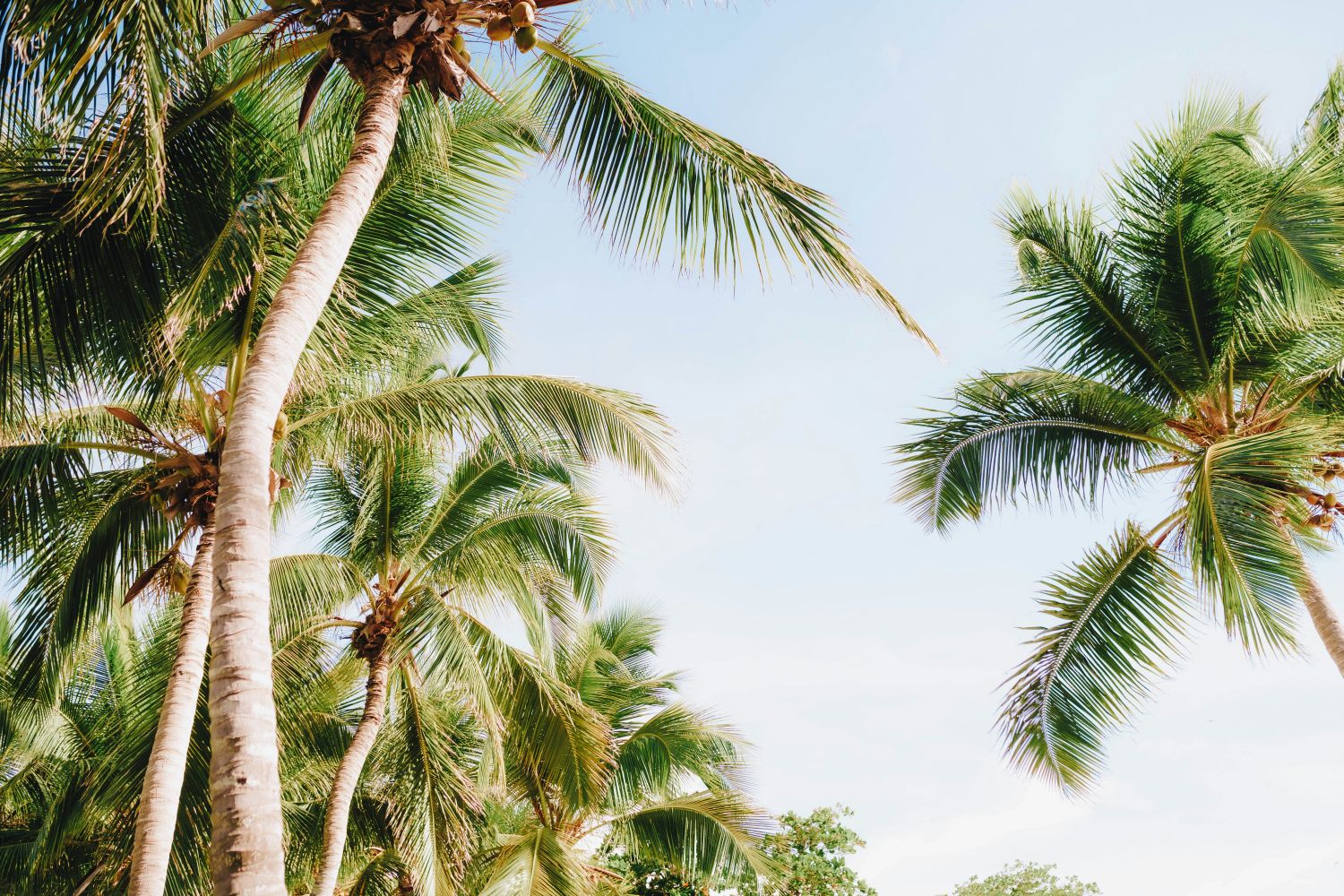
The best time to visit Las Terrenas is from February to April: February and March are the driest months of the year, and the humpback whales stay in Samaná Bay until March 31. December to April is high season. Summer, which we have experienced firsthand, is very hot, but the sea is calm and the rain stays discreet. September to November is the rainy season and the heart of hurricane season. Here is the weather month by month, based on records from a real weather station and on our own stays, along with the dates to know for 2027.
The short answer: which month should you choose?
| You are looking for | Go in |
|---|---|
| The driest weather | February and March |
| Humpback whales | January 15 to March 31 (peak in February) |
| A calm sea for swimming | March and summer, based on our stays |
| Waves for surfing | Winter, with the north swells |
| Wind for kitesurfing | Summer, the steadiest wind |
| Fewer crowds | May, June, then September to November |
| Best avoided if you don't like surprises | September to November |
What is the weather like in Las Terrenas, month by month?
It is warm all year round: between 30 and 33 °C (86 and 91 °F) in the afternoon, around 20 to 23 °C (68 to 73 °F) at night, and a sea at 26 °C (79 °F) in winter and 29 °C (84 °F) at the end of summer. What really changes from one season to the next is the rain.
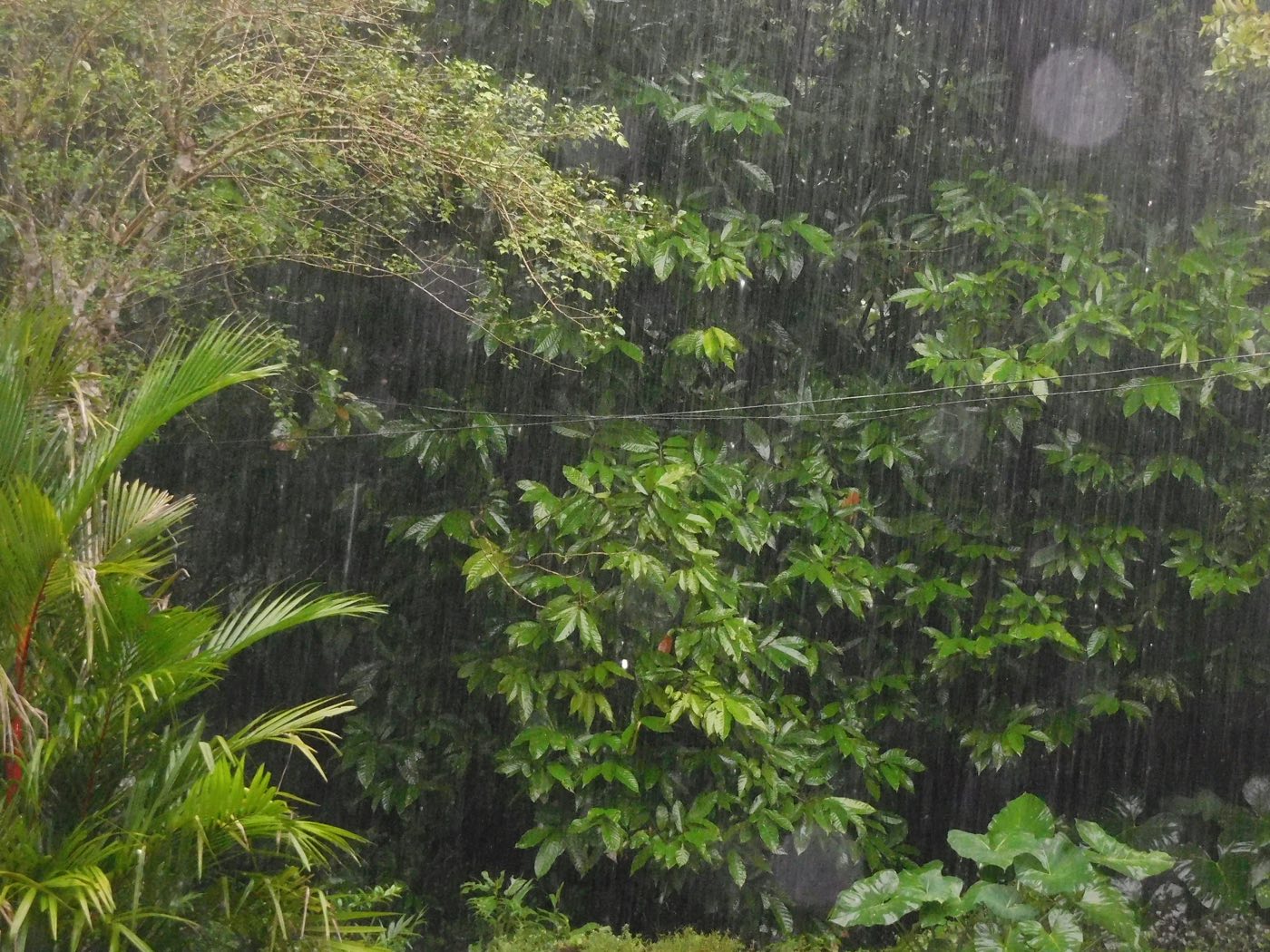
And on that point, most travel sites get it wrong. Records from the Arroyo Barril weather station, about 15 km (9 miles) away, show about 2,200 mm of rain a year (roughly 87 inches), with February as the driest month and November as the wettest. May forms a second, shorter peak. The Samaná Peninsula is one of the greenest regions in the country, and that is no accident.
| Month | High | Rain | Rainy days | Sea | In short |
|---|---|---|---|---|---|
| January | 30 °C / 86 °F | 143 mm | 11 | 26 °C / 79 °F | High season, whales from the 15th |
| February | 31 °C / 88 °F | 95 mm | 8 | 26 °C / 79 °F | The driest month, heart of whale season |
| March | 31 °C / 88 °F | 108 mm | 7 | 26 °C / 79 °F | Dry and sunny, whales until the 31st |
| April | 32 °C / 90 °F | 142 mm | 9 | 26 °C / 79 °F | End of high season, still lovely |
| May | 32 °C / 90 °F | 207 mm | 16 | 27 °C / 81 °F | First rain peak, everything turns green |
| June | 32 °C / 90 °F | 133 mm | 11 | 28 °C / 82 °F | Quiet, few crowds |
| July | 32 °C / 90 °F | 183 mm | 12 | 28 °C / 82 °F | Summer, calm sea during our stay |
| August | 32 °C / 90 °F | 229 mm | 14 | 28 °C / 82 °F | Hot; hurricane season picks up |
| September | 33 °C / 91 °F | 233 mm | 13 | 29 °C / 84 °F | Peak of hurricane season |
| October | 32 °C / 90 °F | 240 mm | 15 | 29 °C / 84 °F | Rainy and very quiet |
| November | 31 °C / 88 °F | 272 mm | 17 | 28 °C / 82 °F | The wettest month of the year |
| December | 30 °C / 86 °F | 182 mm | 14 | 27 °C / 81 °F | The holidays, showers still frequent |
Temperatures and rainfall: normals from the Arroyo Barril station (NOAA, 1991 to 2020), confirmed by the normals of the Dominican weather office (ONAMET, now INDOMET). Sea temperature: Weatherspark. The station is more sheltered than the beach: in Cosón, the sea breeze makes the afternoons a little milder.
A reassuring word about these numbers: in the tropics, rain mostly falls in showers, often intense but short. A "rainy day" in this table very often means one heavy downpour, then sunshine. Both of our stays confirmed it: never a full day of rain.
December to April: high season, and the best weather
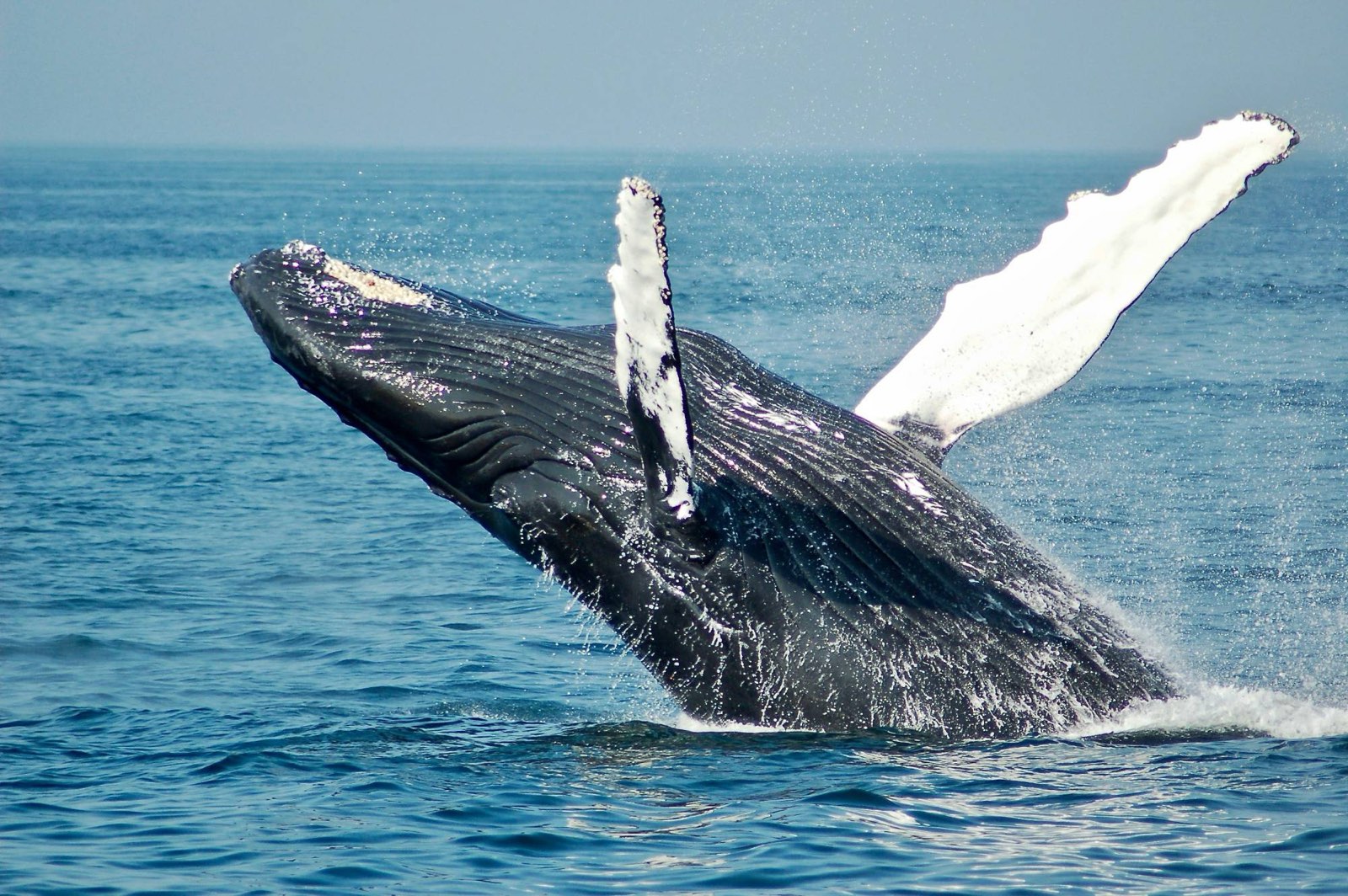
This is the period most travelers choose, and for good reason. February and March are the driest months, the heat is at its gentlest of the year, and from January 15 to March 31, thousands of humpback whales come to mate and give birth in Samaná Bay. It is also the season for direct flights from Canada to El Catey airport, 25 minutes from the villa.
Two honest caveats. First, December and January are still fairly wet: cold fronts coming down from North America bring showers to the north coast, and sometimes a swell that stirs up the sea. Second, on this Atlantic coast, the waves often build in the afternoon in winter: we swim in the morning, and the surfers take over after that. It is the best season for them.
In March, during our stay, the sea was very calm at Playa Cosón, and swimming was pleasant every day. There were a few passing showers, in the morning or the afternoon, but never all day. We will also be there in December and January, and we will update this section when we get back.
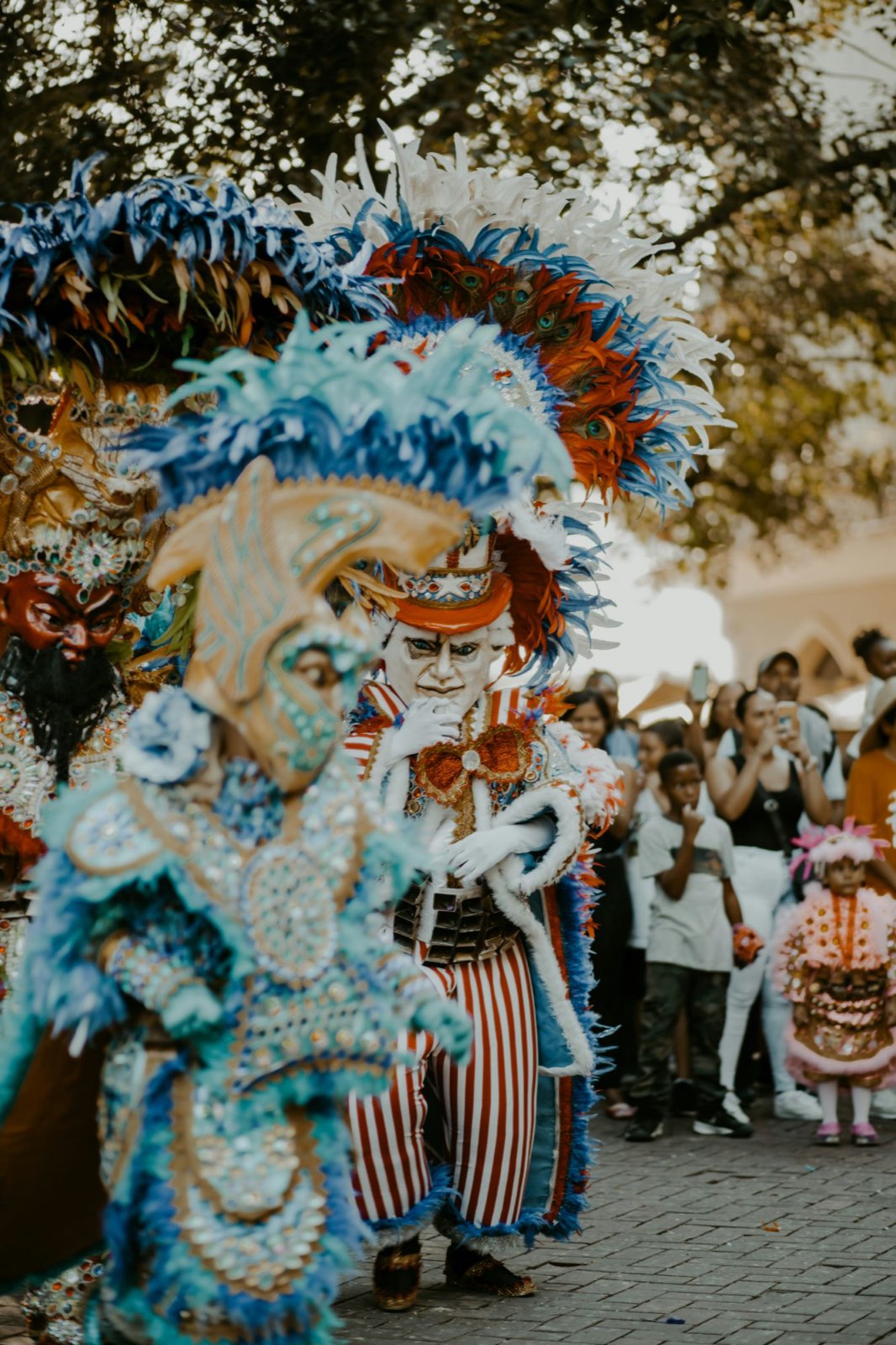
In February, the country also lives to the rhythm of Carnival, on Sundays, up to Independence Day on February 27. Everything about the whales and boat trips is in our field notes on things to do.
May and June: the in-between season
May brings the year's first rain peak, with more frequent showers and vegetation that bursts into life. June is drier and calmer, and hurricane season, which officially starts on June 1, is very rarely active then. If you are after peace and quiet, beaches that are almost empty on weekdays and more choice of places to stay, it is a good time to go.
July and August: summer, as we experienced it
We spent three weeks in Las Terrenas, from late July to early August. Our verdict: not a single day when the waves kept us from swimming at Playa Cosón, a warm sea, around 28 °C (82 °F), and not one full day of rain in three weeks.
We won't hide it: it is very, very hot, around 32 °C (90 °F) in the afternoon. Life follows the rhythm of the sea, the pool and the shade, and we save outings for the morning. A nice surprise, on the other hand: the mosquitoes are really tolerable, far fewer than you might think.
Summer is also the season with the steadiest wind: kitesurfers have a blast at Punta Popy, usually from early afternoon. And around July 16, Las Terrenas celebrates its patron saint, Our Lady of Mount Carmel: several evenings of festivities in the village.
Good to know: in August, hurricane season starts to pick up. We talk about it frankly below.
September to November: the rainy season, in all honesty
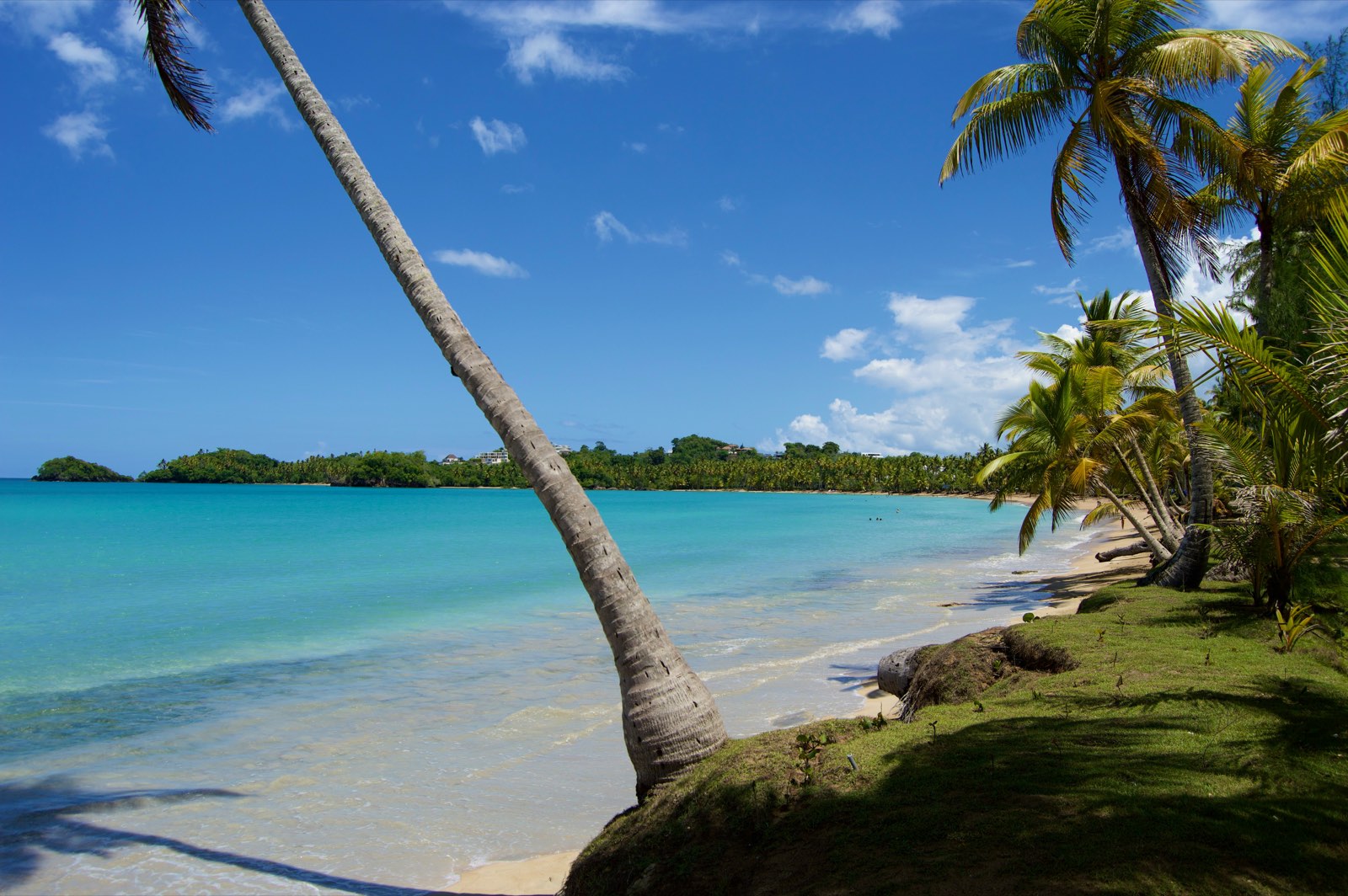
This is the wettest period: October and November each get more than 240 mm of rain, and November is the wettest month of the year. It is also the heart of hurricane season. In return, the peninsula is an incredible green, the sea is at its warmest, around 29 °C (84 °F), and the village moves at its own local pace, without the crowds.
If you travel during this period, keep your plans flexible and get travel insurance that covers cancellation.
Should you worry about hurricanes in Las Terrenas?
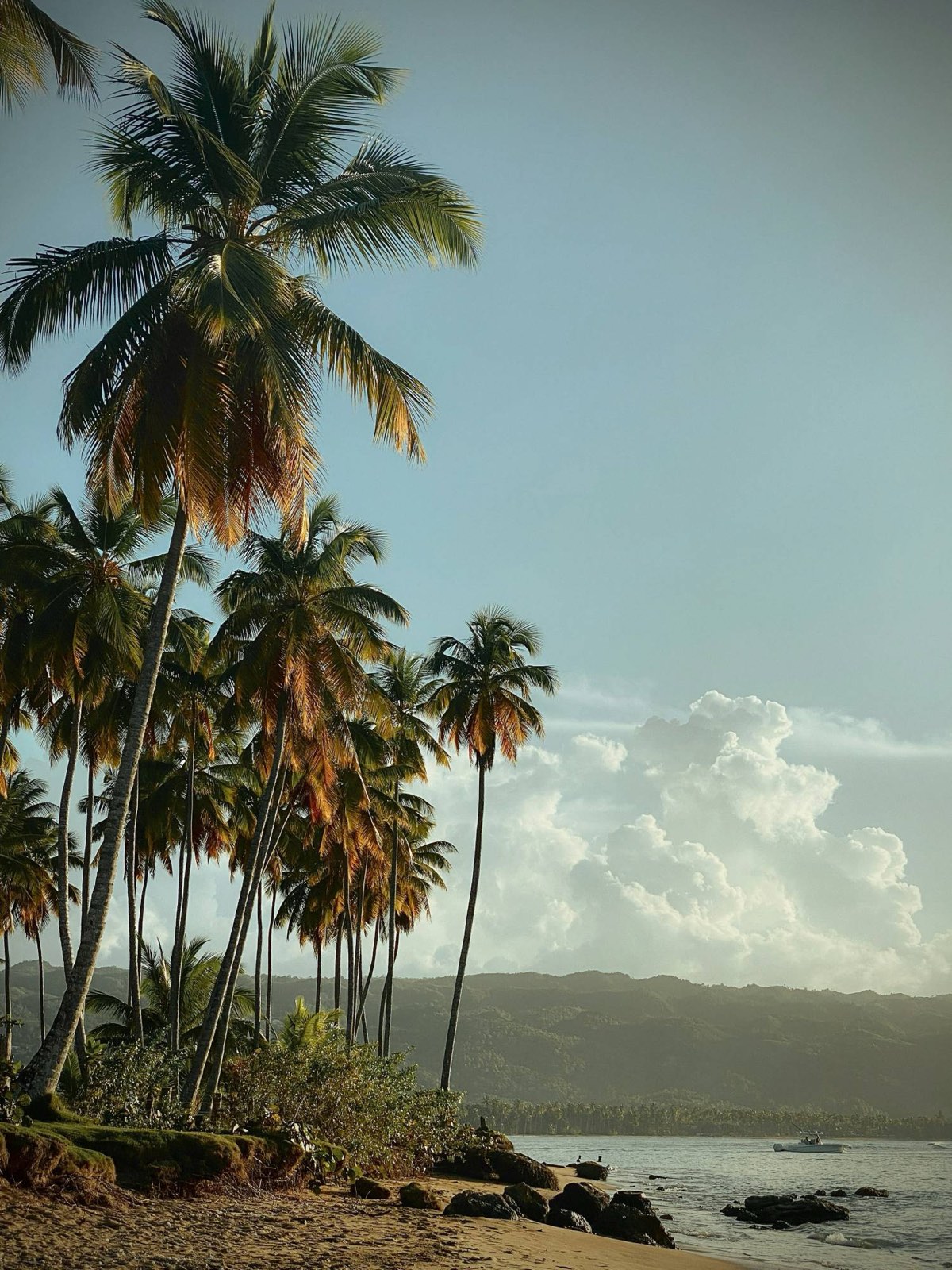
No, but you should know about them. The official season runs from June 1 to November 30, and most of the activity is concentrated between mid-August and mid-October, with a statistical peak around September 10, according to the US National Hurricane Center.
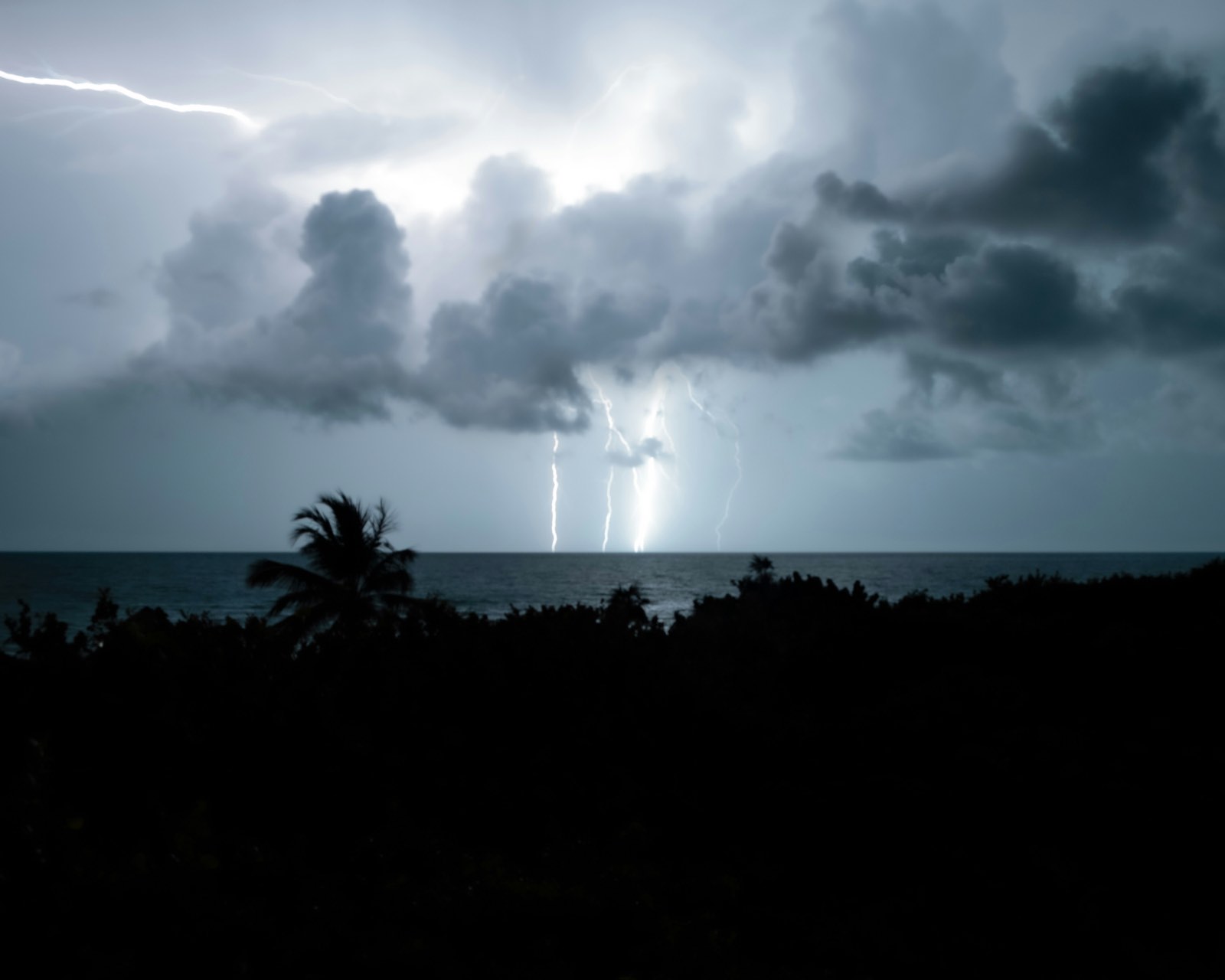
Here is what the historical records for Puerto Plata, the best-documented town on the north coast, tell us: a tropical storm or hurricane passes within about 100 km (60 miles) roughly one season in four, and a hurricane about once every thirteen years. In other words, the vast majority of seasons go by without incident. That does not mean the peninsula is immune: in September 2022, Hurricane Fiona crossed it and caused damage in Samaná.
Our advice: if you are traveling between mid-August and the end of October, follow the National Hurricane Center forecasts in the days before you leave, and get travel insurance. A hurricane is announced several days in advance: there is time to get organized.
Is there sargassum in Las Terrenas?
Sargassum, the brown seaweed that washes up on Caribbean beaches, arrives mostly between spring and the end of summer, peaking in June and July. According to monitoring by the University of South Florida, 2025 was a record year, and 2026 a heavy one.
The north coast of the Samaná Peninsula is generally described as much less affected than the east coast, around Punta Cana. But let's be honest: there is no official beach-by-beach monitoring in Las Terrenas, and arrivals vary a lot from one beach and one week to the next. If you are traveling between May and August, take a look at the monitoring maps before you leave.
Our experience: neither in March nor during our three weeks in summer did we see any sargassum, at Playa Cosón or on the other beaches of Las Terrenas. That guarantees nothing for your stay, but it is what we have seen.
When is Las Terrenas busiest? Key dates for 2027
High season does not fill up evenly. Here are the weeks when demand climbs: book early, or avoid them if you are looking for peace and quiet.
| Dates | Why |
|---|---|
| December 19, 2026 to January 4, 2027 | Christmas and New Year's |
| February 6 to March 8 | French school winter holidays (depending on the zone) |
| Sundays in February, February 27 | Carnival and Independence Day |
| March 1 to 5 | Quebec spring break (most regions) |
| March 15 to 19 | Ontario March Break |
| March 21 to 28 | Holy Week, or Semana Santa (Easter on March 28): the liveliest week of the year |
| Around July 16 | Las Terrenas patron saint festival |
| Weekends, all year round | Dominican families on the village beaches |
Semana Santa deserves a special mention: it is the big vacation week for Dominicans, and Las Terrenas is packed, especially on Holy Thursday. The atmosphere is guaranteed, but so are full restaurants and lively beaches. For some calm, Playa Cosón remains a haven.
When are there direct flights to Samaná?
Samaná El Catey airport, 25 minutes from the villa, mainly handles seasonal winter flights. From Canada, Air Transat, WestJet and Air Canada fly there in winter, roughly from late October to late April, from Montreal and Toronto (and from Quebec City starting in mid-December). From Paris, Air Caraïbes connects Orly to Samaná starting January 4, 2027, twice a week. These schedules change from one season to the next: check with the airlines.
The rest of the year, most travelers go through Santo Domingo (Las Américas airport), two to two and a half hours away by road; Puerto Plata is another option, farther away. The options, travel times and transfers are all covered in our guide to getting to Las Terrenas.
Which season for which activity?
| Activity | The right time |
|---|---|
| Humpback whales | January 15 to March 31, peaking in February |
| Surfing | Winter, when the north swells roll in |
| Kitesurfing | Mostly summer; October and November are the weakest |
| Swimming and snorkeling | Mornings, year-round; calm seas in March and summer during our stays |
| Boat to Playa Jackson | Calm-sea days; book early in high season |
| El Limón waterfall | Year-round; the trail is muddy after rain |
| Coffee and cacao route | Year-round, ideally in the morning |
All the details on outings are in Things to do in Las Terrenas.
Our verdict, depending on your trip
For a first trip: February or March. The driest weather, the whales, and every excursion on offer. Just avoid Semana Santa if you are looking for peace and quiet.
With family, in summer: July is a great option, if you like the heat. The sea is calm, the water warm, and the village moves at its own pace. That is our experience.
For peace and quiet: June, or late April after Easter. Good weather, few crowds.
For surfers: winter. For kitesurfers: summer.
From September to November: it is doable, and the peninsula is beautiful and peaceful, but accept the rain, stay flexible and get good travel insurance.