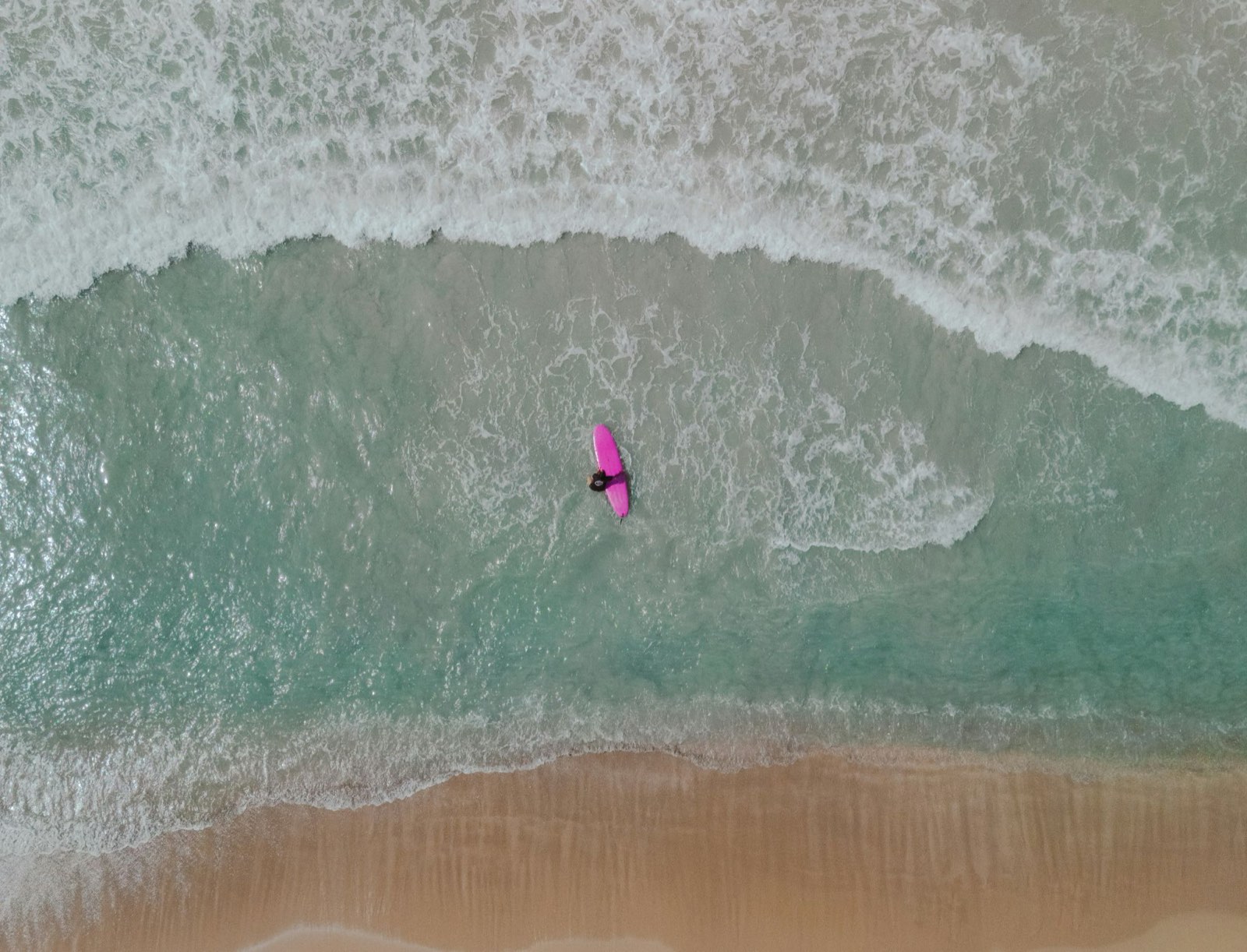
The must-dos in Las Terrenas are the boat trip to Playa Jackson, the coffee and cacao route in the mountains, the El Limón waterfall and, from mid-January to the end of March, the humpback whales of Samaná Bay. Add the beaches, surfing at Playa Bonita and sunsets over Cosón, and a week flies by. Here are our notes: what we have done ourselves, what we recommend to our guests, and what is still on our list. For those, we tell you so plainly.
The short answer: our ten must-dos
- Playa Jackson by boat, with snorkeling stops: the beach no road leads to.
- The coffee and cacao route by ATV, up to the mountain fincas.
- The El Limón waterfall, on horseback or on foot through the forest.
- The humpback whales of Samaná Bay, from mid-January to the end of March.
- Los Haitises National Park: mangroves, islets and caves decorated by the Taíno.
- Playa Morón, our secret beach at the foot of the cliffs.
- Surfing at Playa Bonita and kitesurfing at Punta Popy.
- Freediving and scuba diving with the village dive school.
- A game of pickleball at Groovy Garden, then a juice on site.
- Sunset on Playa Cosón, toes in the sand.
How do you get to Playa Jackson? The boat trip
About 30 minutes by boat · most of the day · our favorite outing
If you only do one excursion, make it this one. No road leads to Playa Jackson: you get there by boat, along a coast of cliffs and jungle, with snorkeling stops on the way. We went with The Dive Academy, the Las Terrenas dive school, and the experience was flawless. In the water, with a little luck: turtles, rays and schools of fish.
The arrival is the highlight. Vegetation so tall and dense you would think you were in Jurassic Park, rivers running down from the mountains into the sea, and nobody, or almost nobody. We describe the beach in detail in our beach field notes.
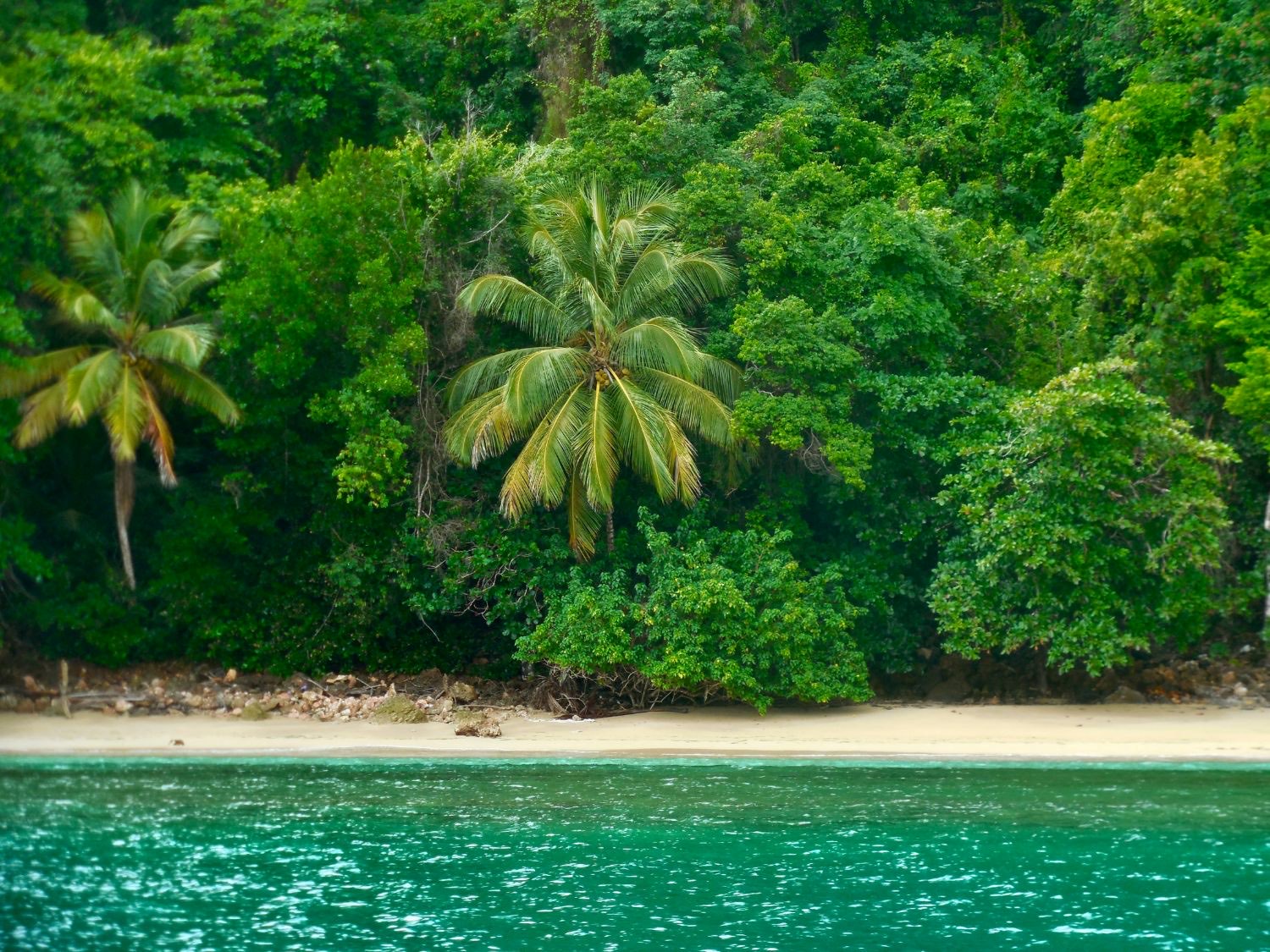
The practical side: with The Dive Academy, the boat leaves around 8 a.m. and comes back around 3 p.m. In October 2026, a spot cost US$65 for an adult snorkeler and US$45 for a child (US$85 to 125 for divers). The trip depends on the sea, and spots go fast from December to April: book a few days ahead and keep a backup date.
At Playa Jackson, we actually came across people who had arrived without a boat. According to local guides, a trail starts from the west end of Cosón: about two and a half hours of walking each way. We haven't done it yet; if the adventure tempts you, go with a guide.
Scuba diving, freediving or snorkeling: where can you get in the water?
The Dive Academy covers it all: intro dives, SSI and NAUI certification courses, dives around the Las Ballenas islets, right across from the village, and longer day trips out to Cabo Cabrón National Park. A detail families will love: the intro dive can take place in your villa's pool.
Our favorite memory is still freediving with Paul, the founder, as passionate as he is friendly. He still offers it: just ask him directly. It is the best way to discover the waters around the peninsula with someone who knows them by heart.
For snorkeling on your own, our easy spot is the point at Playa Bonita. We go in the morning, when the sea is calm, then follow it with a meal in the shade of the sails at Casa Grande, right on the beach.
The coffee and cacao route, by ATV
About 20 minutes from the villa · half a day · best by ATV
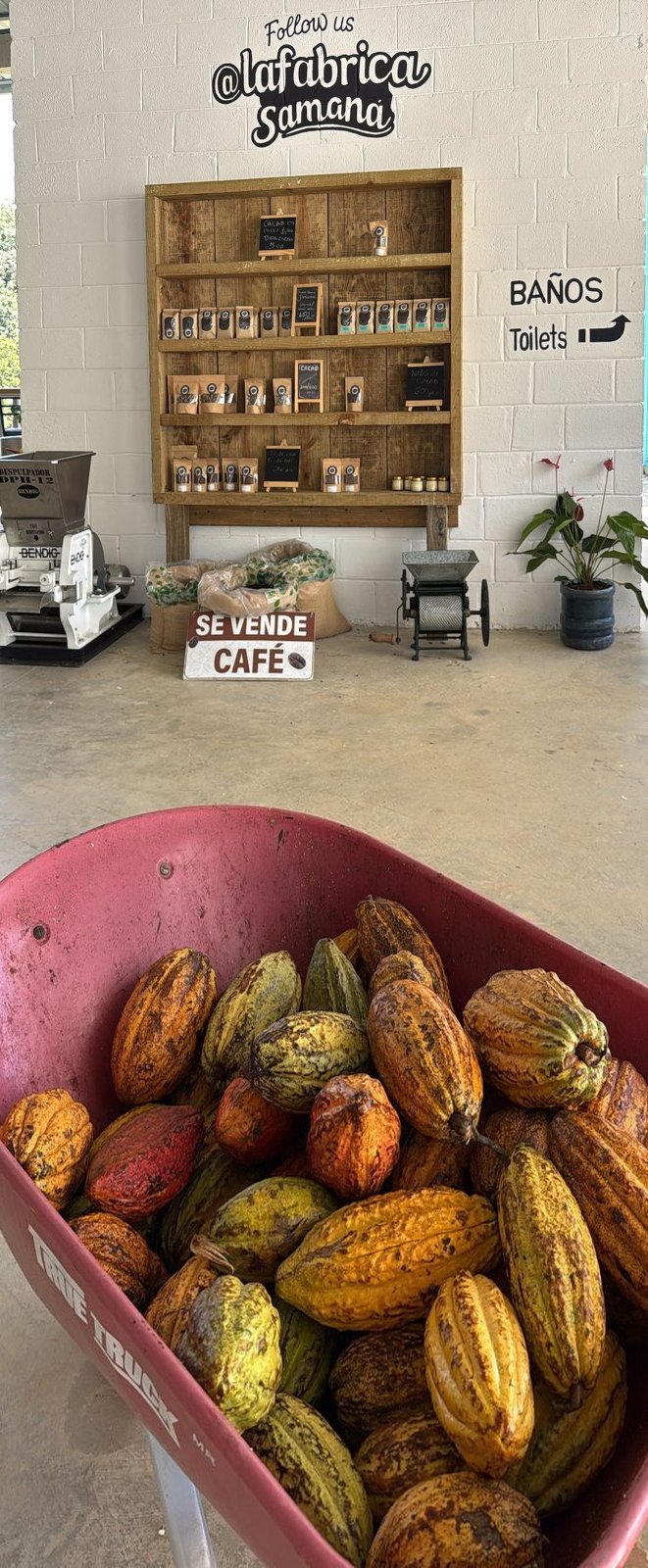
Behind Las Terrenas, the Samaná mountains hide family fincas where coffee and cacao grow on the hillsides. Several still roast their beans over a wood fire, in a cooking pot, and let you taste the result. We went up to La Fábrica Samaná: a tasting, freshly picked cacao pods, and views over the coast as a bonus.
An ATV is the most fun way to get there: the tracks climb, the views open up, and you quickly understand why the peninsula is so green. You can rent one by the day in the village, and several operators also run the coffee route by ATV with a guide (allow about four hours). By car, you go through El Limón; the Los Puentes track is for ATVs and buggies only. La Fábrica is open Monday to Saturday, 9 a.m. to 5 p.m.
Our favorite combination: the coffee route in the morning, then down to Playa Morón for an afternoon swim and a meal at the restaurant overlooking the bay. At the Morón entrance gate, simply say you are going to the restaurant.
How do you visit the El Limón waterfall?
About 35 minutes by road · half a day · on horseback or on foot
It is the best-known excursion on the peninsula: a waterfall 40 to 50 meters high (130 to 165 ft) according to official sources, plunging into a natural pool in the middle of the forest, above the village of El Limón. You go up on horseback or on foot from the ranches in the village: about 2.5 km (about 1.5 miles) of trail through streams and plantations, or 30 to 60 minutes depending on your pace. The site is protected (Monumento Natural Salto El Limón), and you can swim in the pool at the foot of the falls.
Go in the morning, before the heat and the groups. Bring shoes that can get wet, a swimsuit, and cash in pesos: in 2026, expect roughly RD$100 to 200 for the entrance and RD$300 to 500 for the horse, plus a tip for the guide. After rain, the trail gets muddy: the horse is then the more comfortable option.
Transparency: we haven't done it ourselves yet. This information comes from official sources; we will update this section after our visit.
When can you see the whales in Samaná?
January 15 to March 31 · departures from the port of Samaná, about an hour's drive from Cosón
Every winter, thousands of humpback whales come down from the North Atlantic to mate and give birth in the warm waters of Samaná Bay. The official season runs from January 15 to March 31, peaking in February and March, and the bay is part of the Santuario de Mamíferos Marinos Bancos de la Plata y de la Navidad, the first sanctuary of its kind in the Atlantic. Breaches, fin slaps, mothers and calves side by side: it is one of the best places in the world to see them.
Tours leave from the Samaná pier on licensed boats that follow strict rules: 50 meters (about 165 ft) from an adult, 80 meters (about 260 ft) from a mother and her calf, and no swimming with the whales in the bay. Allow two to three hours at sea; in 2026, Whale Samaná, the local reference since 1983, charged US$65 per adult. From Las Terrenas, organized tours take the whole day and often add a stop at Cayo Levantado, the white-sand islet in the bay, nicknamed "Bacardi Island" since a commercial was filmed there in the 1970s.
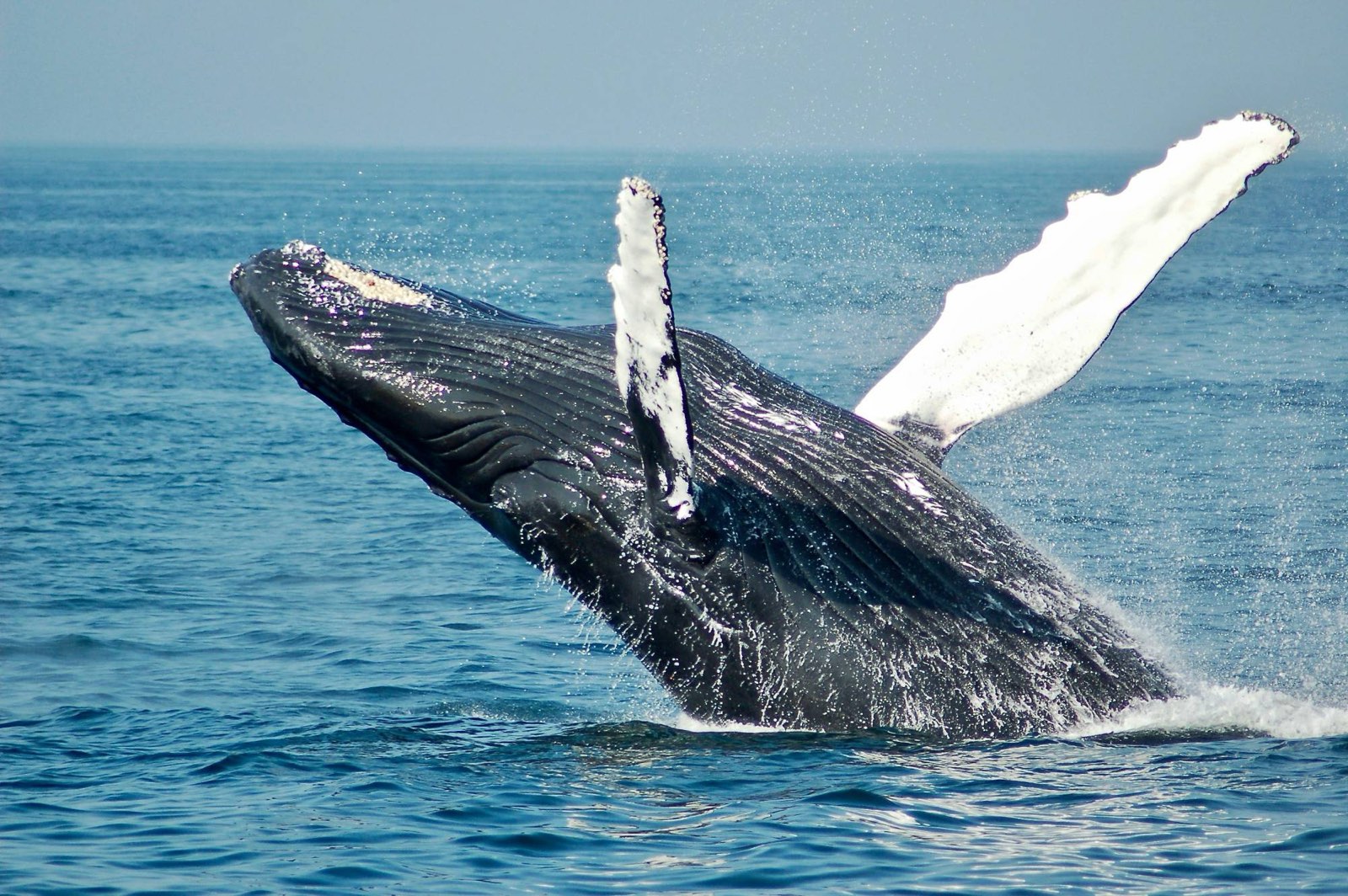
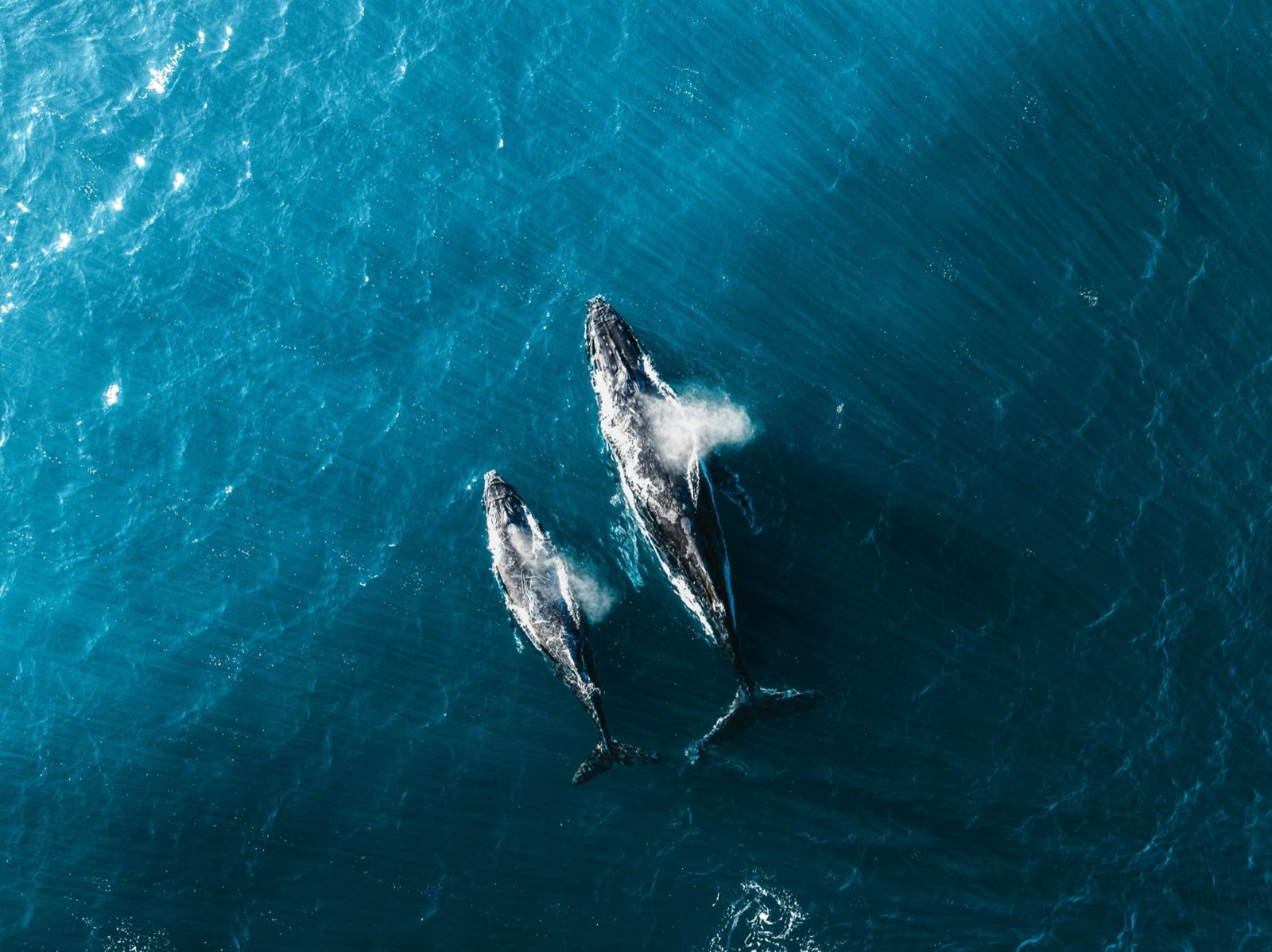
If you are staying in Las Terrenas in February, you will be right in the heart of the season: book your tour as soon as your dates are set. And honestly: we haven't seen them ourselves yet, and it is at the very top of our list.
Los Haitises National Park: mangroves and Taíno caves
Six to seven hours · drive to Sánchez, then boat
Across Samaná Bay, Los Haitises is one of the most astonishing landscapes in the Caribbean: hundreds of mogotes, those forest-covered limestone hills rising out of the water, the largest mangroves in the region, colonies of frigatebirds and pelicans, and caves, such as Cueva de la Línea or Cueva San Gabriel, whose walls still bear drawings by the Taíno, the island's first inhabitants.
You visit it on an organized tour: about 25 minutes by road to Sánchez, then 20 to 30 minutes by boat. A word about a stubborn myth: you read everywhere that Jurassic Park was filmed here. It wasn't, the movie was filmed in Hawaii. But the landscape really does bring it to mind.
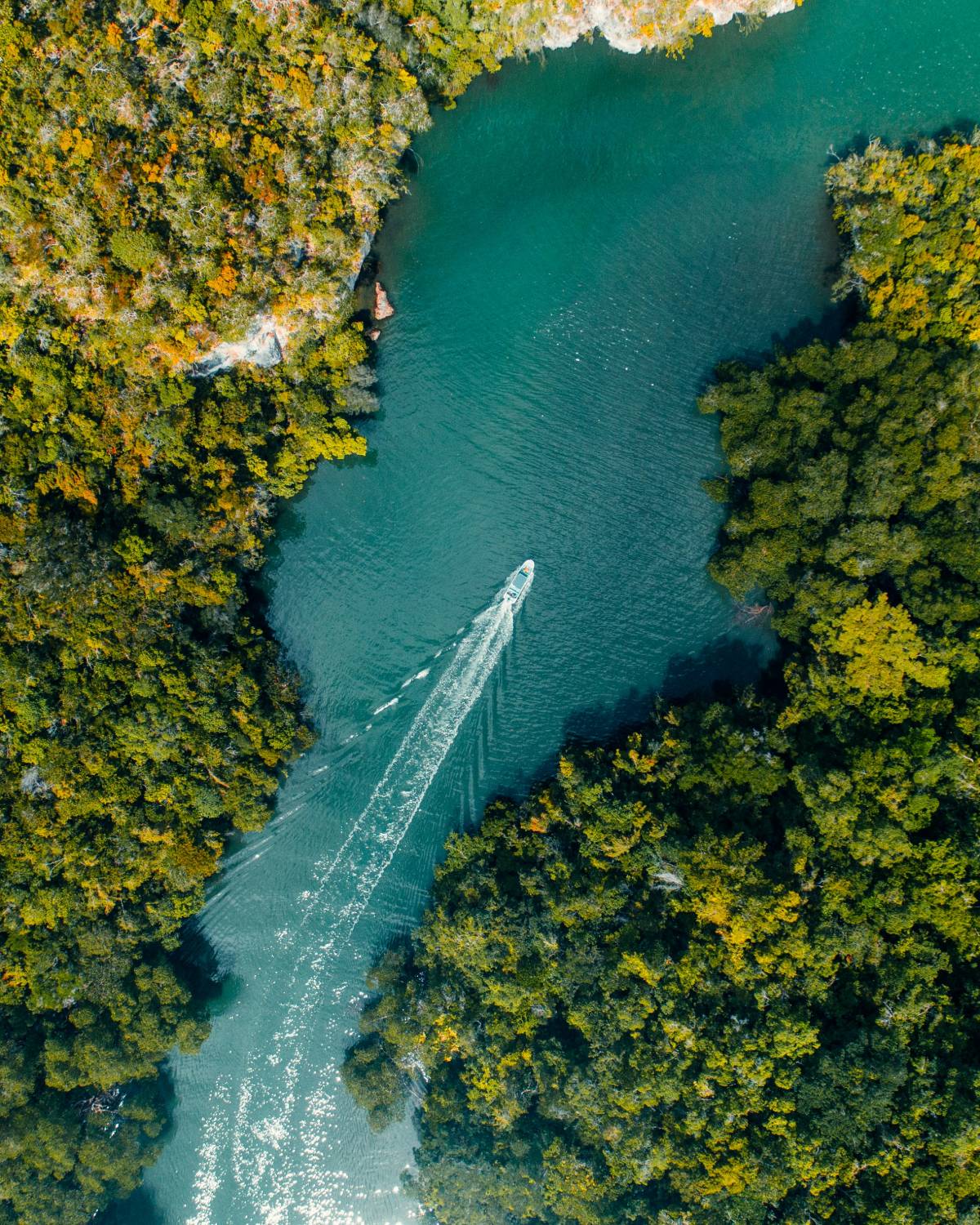
We haven't done this one yet either: it is on our list, and we will tell you all about it.
Surfing at Playa Bonita, kitesurfing at Punta Popy
At Playa Bonita, the rule is simple: swim in the morning, surf in the afternoon, when the waves pick up. Schools rent boards and give beginner lessons right on the beach. The best season runs from October to March, with the north swells; on big swell days, Cosón gets more powerful waves, for experienced surfers.
At Punta Popy, the village beach, kitesurfing sails color the horizon when the thermal wind picks up, usually in the early afternoon. Schools tend to give their lessons at El Portillo, where there is more open space. Even if you don't ride, sitting with a coffee to watch the kites is part of the fun.
The beaches, of course
A good part of your days will be spent on the sand, and that is just fine. For calm and long walks: Playa Cosón, a five-minute walk from the villa. For atmosphere: Las Ballenas and Punta Popy, in the village. For the postcard: Playa Bonita. For adventure: Morón, Jackson, and Playa Rincón, the legend, a day trip by road. They are all described, with distances and the best times to swim, in our beach field notes.
What is there to do in Las Terrenas with kids?
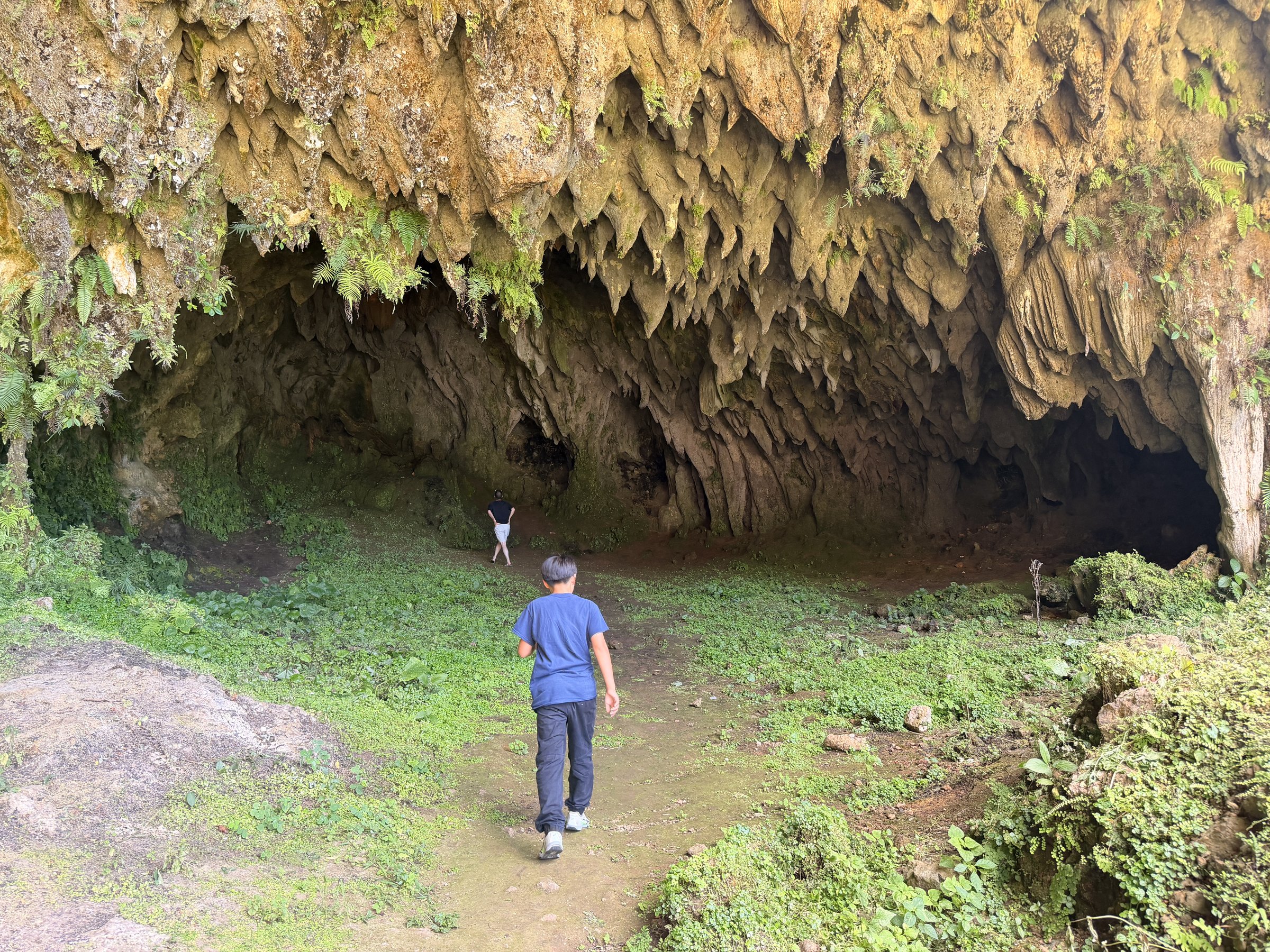
Las Terrenas is a very easy destination for families. The village beaches, starting with Las Ballenas, have calm, shallow water. Morning snorkeling at the point of Playa Bonita amazes the little ones. On the road to the airport, the Cueva Boulevard del Atlántico, a cave lined with stalactites right by the roadside, always makes an impression. The cacao route ends with a tasting, which doesn't hurt. Older kids will love the waterfall on horseback, and the whole family will love the whales in season.
To wrap up the day, a game of pickleball at the Groovy Garden Center, across from Casa Niza on Gregorio Luperón, then a juice or a coffee on site: one of our favorite ways to end the day.
What to do in Las Terrenas when it rains?
First, some good news: tropical showers rarely last all day. Often, an hour later, the sun is back. For a gray day: the coffee and cacao route, where the tastings are under cover, the Boulevard del Atlántico cave, a long lunch in the village, or simply the villa's bohío, a good book and the sound of rain on the palm roof.
What to do in Las Terrenas in the evening?
The evening starts with the sunset: on Playa Cosón, under the coconut palms at El Mosquito, or at Punta Popy, drink in hand. Then, the village: fresh pasta at Tio Belo, tapas at Casa Miranda (on Thursdays there is music: book ahead), unpretentious and very good pizzas. All the places we have tried and loved are in the hosts' notebook. Getting back: in town, no problem at all; on the main roads, we follow our night rule, explained in our safety guide.
How many days do you need in Las Terrenas? Our sample week
A week lets you see everything without rushing, while keeping time for the pool. Here is how we would plan it.
| Day | Morning | Afternoon and evening |
|---|---|---|
| 1 | Arrival, settling in | Playa Cosón and your first sunset |
| 2 | Boat to Playa Jackson, snorkeling (8 a.m. to 3 p.m.) | Nap, then dinner in the village |
| 3 | Coffee and cacao route by ATV | Swim and a meal at Playa Morón |
| 4 | Swim at Playa Bonita | Pool, then pickleball at Groovy Garden |
| 5 | El Limón waterfall | Las Ballenas and Punta Popy |
| 6 | Whales (January 15 to March 31) or Los Haitises | Full day, quiet evening at the villa |
| 7 | Last swim at Cosón | Departure |
With five days, keep Jackson, the coffee route and a beach day. With ten, add Playa Rincón and Los Haitises.
When is the best season for activities in Las Terrenas?
There is something to do all year round, but not the same thing. From December to March, you get the driest weather and the high season; from mid-January, the whales too. Hurricane season runs from June 1 to November 30: it doesn't necessarily spoil a stay, but it calls for a little flexibility in your plans.
| Period | At its best | Good to know |
|---|---|---|
| December to March | Whales (from January 15), surfing, driest weather | High season: book boats and excursions ahead; afternoon waves on the north coast |
| April to July | Beaches, snorkeling, boat trips, kitesurfing | May is often the rainiest month; in summer, the sea was calm during our stays |
| August to November | Quieter beaches and villages, coffee route | Peak of the hurricane and rainy season: keep some backup days |
At a glance: the summary table
| Activity | From the villa | Duration | Best time | Done by us |
|---|---|---|---|---|
| Playa Jackson by boat | Leaves from the village | About 8 a.m. to 3 p.m. | Calm seas | Yes |
| Freediving and scuba diving | Village | A morning | Year-round | Yes (freediving) |
| Coffee and cacao route | ~20 min | Half day | Morning | Yes |
| Playa Morón | ~30 min | Half day | Afternoon | Yes |
| El Limón waterfall | ~35 min | Half day | Morning | Not yet |
| Humpback whales | ~1 h (Samaná) | Full day from Las Terrenas | January 15 to March 31 | Not yet |
| Los Haitises | ~30 min (Sánchez) + boat | 6 to 7 h | Year-round | Not yet |
| Surfing | ~10 min (Bonita) | A few hours | Afternoons, in winter | We watch |
| Kitesurfing | ~7 min (Popy) | A few hours | Windy days | We watch |
| Pickleball | Village | 1 to 2 h | Late afternoon | Yes |
| Sunset on Cosón | 5 min on foot | 1 h | Every evening | Very often |
Our tips for planning your outings
Book boat trips ahead from December to April, and keep a backup day: the sea decides.
Do your excursions in the morning. The sea is calmer, the trails cooler and the light more beautiful.
Plan your transportation. For going farther (Samaná, Sánchez, El Limón), HugXander Transport, our trusted driver, also does day trips. For the coffee route, an ATV. And the main roads, we drive them in daylight.
Keep cash in pesos: entrance fees, guides, horses, beach restaurants. Outside the town center, almost nothing can be paid by card.